
FAQ: How Hard is it to Break Into an ATM Machine?
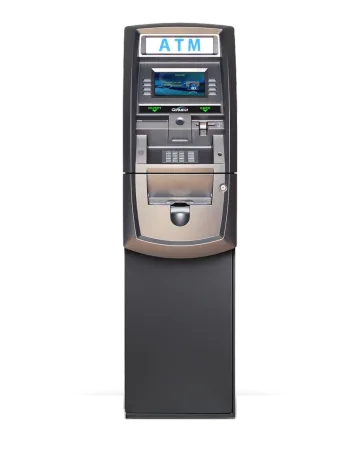
For anyone who owns an ATM machine or is considering getting one for their business, one of the biggest concerns is someone breaking into the machine. With an increase in the number of ATMs in the world, attempts by criminals to break into ATMs isn’t likely to cease, so it’s important to know how difficult it is to break into machines and what can be done to protect your ATM.
The first thing to know about ATMs is that they’re designed and built with potential break-ins taken into account. There are measures in place to hinder thieves and criminals from breaking into the machine and taking all the cash inside. Obviously, this doesn’t prevent criminals from trying, but most of the time, it does keep them from succeeding.
Newer models of ATMs come with more intricate designs that help to deter and prevent break-in attempts, making them more secure than older ATMs. While the days of brute strength being used to break into ATMs are all but over, attempted theft can still cause damage that may require professional ATM repair. It’s far more difficult to actually gain access to the vault or cabinet where the money is held.
Certain ATMs are also more difficult to break into because they have additional security measures in place. Some machines may have silent alarms that alert authorities of a break-in attempt. It’s also possible for the money inside the ATM to be dyed the same way bank money is dyed to deter bank robbers. It’s also become common for closed-circuit security cameras to monitor ATMs in public places. Simply advertising on the machine that such security measures are in place is sometimes enough to prevent thieves from attempting to break into an ATM.
Finally, having insurance on an ATM can be a failsafe option. Obviously, this can’t prevent break-in attempts, but it will protect ATM owners if there’s somehow a successful ATM robbery. With a top-of-the-line ATM and ample security measures in place, it’s quite difficult for a thief to break in and steal money from an ATM. However, it’s always better to be safe than sorry.
Talk to ATMMachines.com
Buy an ATM, or ask about a free ATM for your business.
ATM security checklist
- Location: put the ATM in an open, well-lit, monitored spot, ideally in view of staff or cameras.
- Installation: bolt freestanding machines to the floor; consider reinforced cabinets or enclosures where risk is higher.
- Card skimming: check the card reader and keypad regularly for anything attached; EMV chip readers make copied cards harder to use.
- Software and connection: keep the machine’s software current and use an encrypted connection.
- The machine: some models have stronger vaults. Genmega lists the Onyx with a UL 291 business-hours vault, and Hyosung lists the same rating for the Halo II.
- Insurance: cover the machine and the cash in it. See how ATM insurance works.
To learn more about your options or to explore ATM machines for sale, call us today at 1-833-984-0720.