
Are Bitcoin ATMs Legal in New York?
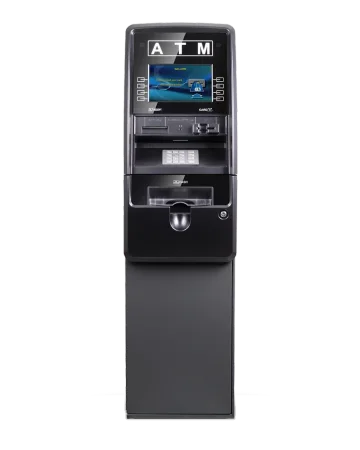
Historical article (2021): kept for reference. Its statistics and its product and legal discussion have not been revalidated and may be out of date, and it is not legal advice. Discontinued company offers have been removed: AtmMachines.com is not currently offering Bitcoin ATMs or Bitcoin ATM programs; to explore providers, visit ATM Atlas. Current official sources include FinCEN’s 2019 guidance on virtual currency business models and FinCEN’s August 2025 notice on cryptocurrency kiosks, and for New York, the New York State Department of Financial Services’ virtual currency pages.
Bitcoin’s surge in popularity has contributed to a rapid increase in Bitcoin ATM (BTM) installations. Previously, governments used to frown upon the exchange of Bitcoin. The decentralized, anonymous, and private nature of cryptocurrencies seemed unsecured, and since no official regulatory body governed digital tokens, Bitcoin ATMs felt like a legal grey area.
Nowadays, you might have seen the many ATM signs offering Bitcoin transfers in shops and convenience store windows. Almost 300,000 Bitcoin transactions occur every day, and there are currently 199 Bitcoin ATMs stationed in New York alone. Even large enterprises such as Paypal and Microsoft accept Bitcoin as consumer payments.
Talk to ATMMachines.com
Buy an ATM, or ask about a free ATM for your business.
So, are Bitcoin ATMs Legal?
Yes! But that does mean the government enforces a series of regulations that uphold the safety of all physical cryptocurrency exchanges. If you plan to invest in a BTM, you must attain compliance, and failure to do so can lead to severe repercussions. Read on to discover how you can set up a legal (and profitable) Bitcoin ATM in New York.
What are the Legal Requirements for Owning A Bitcoin ATM in NY?
Every country and state has different laws that concern the transfer of money, even for cryptocurrencies. The Financial Crimes and Enforcement Network (FinCEN) is the primary governing body in the United States, and it helps reduce fraud, theft, and the illegal use of money. Bitcoin remains decentralized, so FinCEN does not concern itself with the unregulated token, only the transfer of funds initiated by Money Service Businesses (MSB).
Money Service Business Compliance Requirements
Since Bitcoin ATMs transmit money, they are considered MSBs, and that brings several requirements you as a BTM owner must complete under New York state and federal law.
- Register with FinCEN: Registration with FinCEN as a Money Service Business is necessary. Not only does this protect you under the Bank Secrecy Act (BSA), but it allows you to use your BTM in the United States legally. Registration occurs every two years.
- Create a KYC and AML compliance policy and program: Know Your Customer (KYC), and Anti-Money Laundering (AML) compliance standards ensure that all personal identification is kept private and that your Bitcoin kiosk prevents the illegal use of means.
- Hire a compliance officer: You must designate or hire a qualified officer who becomes responsible for the efficient operation of your BSA, KYC, and AML policies. The officer must possess expertise equal to the risk associated with your BTM, determined by the number of potential transactions and cumulative value exchanged.
- Obtain all necessary state licenses: Beyond the federal requirements, individual states have different laws concerning money transfers and Bitcoin itself. The New York Department of Financial Services (DAF) allowed for Bitlicense and the operation of virtual currencies, but additional requirements may arise as legislation continues to change.
- Set up a Money Service Transmitter License: New York also requires Bitcoin ATM owners to obtain a Money Transmitter License (MTL). An MTL license ensures that you maintain a certain amount of liquidity to facilitate all money requests, and it also involves the submission of additional financial documentation.
- Maintain specific insurance policies and surety bonds: You must submit to your state office or the Nationwide MultiState Licensing System (NMLS) several other documents such as a business plan, proof of net worth, and proof of insurance. Fees often apply, and you might need to register for standard operating business licenses within the state of New York as well. In many cases, a fiat surety bond to ensure the safety of all user transactions is required.
Key Takeaway
A Bitcoin ATM can be both legal and profitable in New York, but the regulatory hurdles can be overwhelming without the right support.